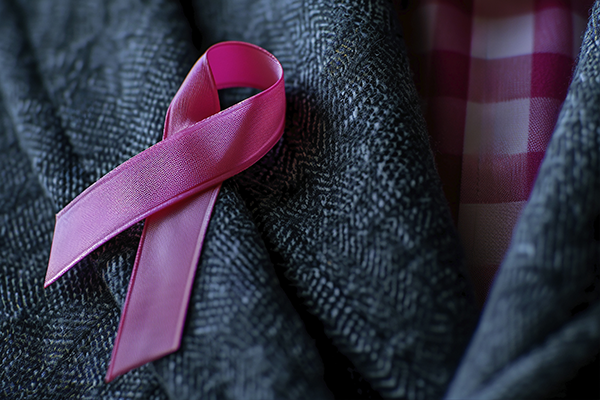
Receiving a breast cancer diagnosis is a life-changing moment that can bring on a whirlwind of emotions. Whether it comes as a surprise or after some time of medical investigations, learning that you have breast cancer, is a moment that requires careful emotional navigation. Understanding what to expect after a breast cancer diagnosis can help you better manage your mental health and decide how to share the news with your family. Here’s what you need to know about the journey ahead and how to handle some of the emotional challenges that come with it.
Coming to Terms with Your Diagnosis
When you first receive the news that you are diagnosed with breast cancer, it’s normal to feel overwhelmed. What you might expect after a breast cancer diagnosis are shock, fear, sadness, and confusion, which are some of the emotions that may arise. Your mind might raise questions about the treatment plan, prognosis, and how your life will change. It’s important to allow yourself time to process these emotions. Everyone reacts differently to such news, so don’t feel pressured to have everything figured out immediately.
In the days following your diagnosis, you will likely meet with an oncologist and other healthcare professionals to discuss your treatment options. Depending on the stage and type of breast cancer, treatment may involve surgery, chemotherapy, radiation, or a combination of these. Make sure to ask as many questions as needed so you feel informed about your options. Having a clear understanding of your medical plan can ease some of the uncertainties that you may feel.
Sharing the News with Family
When you find out about your diagnosis, one of the hardest decisions you’ll face is how to break the news to your loved ones. This conversation is emotionally charged, as your family will likely be shocked and concerned about your health and future. It’s important to plan how you will approach this discussion.
- Choose the right moment: Consider when and where to share the news. Find a quiet, private space where you won’t be interrupted, and make sure you are emotionally prepared for their reactions.
- Be honest, but compassionate: While it’s essential to be straightforward about your diagnosis, remember that your loved ones will need time to process the news, just as you did. Try to convey the information in a way that is sensitive to their emotions, while still being honest about what you know.
- Give them time to react: Everyone will handle the news differently. Some may become very emotional, while others may go into problem-solving mode. Give your family members the space to react in their own way and let them know that it’s okay to feel however they do.
- Involve them in your journey: Depending on your situation, your family may play a significant role in your treatment and recovery. Let them know how they can support you, whether it’s by attending medical appointments, helping with daily tasks, or just being there for emotional support.
Managing Your Mental Health
When you find out that you are diagnosed with breast cancer, it’s not just your physical health that needs attention, your mental well-being is equally important. A diagnosis of cancer can trigger anxiety, depression, or feelings of hopelessness. To maintain your emotional balance, consider the following:
- Seek professional support: A counselor or psychologist who specializes in working with cancer patients can provide invaluable guidance. They can help you develop coping mechanisms, manage stress, and deal with any feelings of fear or uncertainties. Support groups, both online and in-person, can also be a great way to connect with others by going through a similar experience.
- Prioritize self-care: With treatment, your body will be under a lot of stress, and your emotional reserves may become depleted. Make sure to take time for yourself to rest, relax, and engage in activities that bring you peace, whether it’s through meditation, reading, or simply spending time with loved ones.
- Stay connected: Isolation can make coping with a breast cancer diagnosis more difficult. Keep your lines of communication open with family, friends, and support networks. Sharing your thoughts and feelings with others who care about you can provide comfort and help reduce feelings of loneliness.
Finding out that you are diagnosed with breast cancer is an emotional and challenging experience, but with the right support and coping mechanisms in place, you can navigate this journey with strength. Sharing the news with family is difficult, but it can also create a network of care that will support you throughout treatment and recovery. Most importantly, taking care of your mental health will be crucial in facing the challenges ahead with resilience and hope.