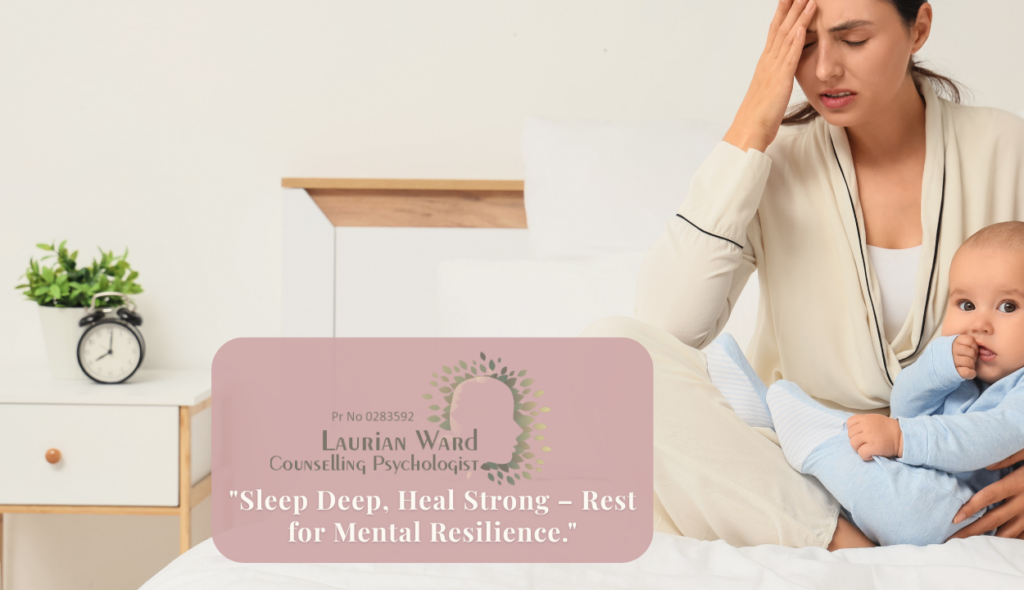
Sleep is your secret weapon for mental wellness. Poor sleep doesn’t just leave you tired—it fuels anxiety, depression, and emotional chaos, creating a vicious cycle where exhaustion worsens mental struggles and vice versa. Whether juggling baby feeds, exams, or later-life worries, quality rest rebuilds your mind.
Why Sleep Matters to You
For young mothers, sleep loss spikes cortisol, heightening stress and mood dips amid sleepless nights. Students face insomnia as a top issue, with sleep deficits tanking focus, grades, and resilience against self-harm or burnout—studies link better sleep directly to fewer internalizing symptoms like anxiety. Older adults risk deepened depression or cognitive fog, as chronic poor sleep predicts mental health decline over time.
Our Wake-Up Call
Sleep protects neuroplasticity—your brain’s ability to adapt. In high-stress South Africa, where anxiety leads workplace woes, sleep deprivation drains productivity and health, costing billions economy-wide. Youth report 30% anxiety tied to sleep gaps, but simple fixes work wonders.
Steps to Reclaim Your Rest
Build routines: dim lights, no screens an hour before bed, and wind-down rituals like tea or reading. Cognitive Behavioral Therapy for Insomnia (CBT-I) slashes symptoms effectively, proven to lift overall mental health. Add walks, mindfulness, or consistent bedtimes—aim for 7-9 hours. Young moms, nap with baby; students, prioritize over scrolling; elders, keep active days.
Rest to Rise Stronger
This March, embrace sleep as self-care. Small changes spark big mental gains—clearer thoughts, steadier moods, fuller lives. You’ve got this; sweet dreams await.
Prioritize your mental health rest—connect with Laurian Ward Counselling Psychologist for personalized sleep optimization plans and CBT-I tools. Start your journey to better sleep this March; schedule a consultation today.